Thought Leadership Into a Short, Valuable Book
“If you are in the thought-leadership business, it is very easy to know what you could write a book about. But it is more important to know who you are writing it for and what they want to know, rather than what you could tell them. The short, valuable book process will help you.”
Dan Kowalski, - Author of W.I.S.E Choices at Work, - planathinking.com

The Challenge: Strong Ideas Without a Clear Reader in Mind
Dan had no trouble writing content. The challenge wasn’t creating ideas; it was creating something another person would genuinely want to read.
That became clear after a friend reviewed some of the work and asked a simple question: “Who is this for?”
The answer at the time was: “No one really.”
The response came back immediately: “That’s a waste.”
That moment reframed everything. It highlighted the gap between having expertise and creating a book that is actually useful to a reader. The writing existed, but there was no clear audience, structure, or outcome guiding it.
That’s when it became obvious that some support and direction were needed.
Who is Dan Kowalski?
Dan helps business people think more deliberately before they make costly mistakes. For over 30 years, he has been instigating solutions for businesses around the world by asking the kinds of questions that uncover clarity, challenge assumptions, and help leaders recognise that they often already have the answer — they just haven’t seen it yet.
His clients learn to leverage common sense in real time rather than after the fact, when it is already too late. As one client put it, “Dan always has a tool for every situation.” His book brings those tools together into a practical resource designed to support better decision-making in any situation.
The Solution: Turn Existing Expertise Into a Clear, Reader-Focused Book
We worked together to shift the focus from writing everything that felt interesting to writing something intentionally useful for a specific reader.
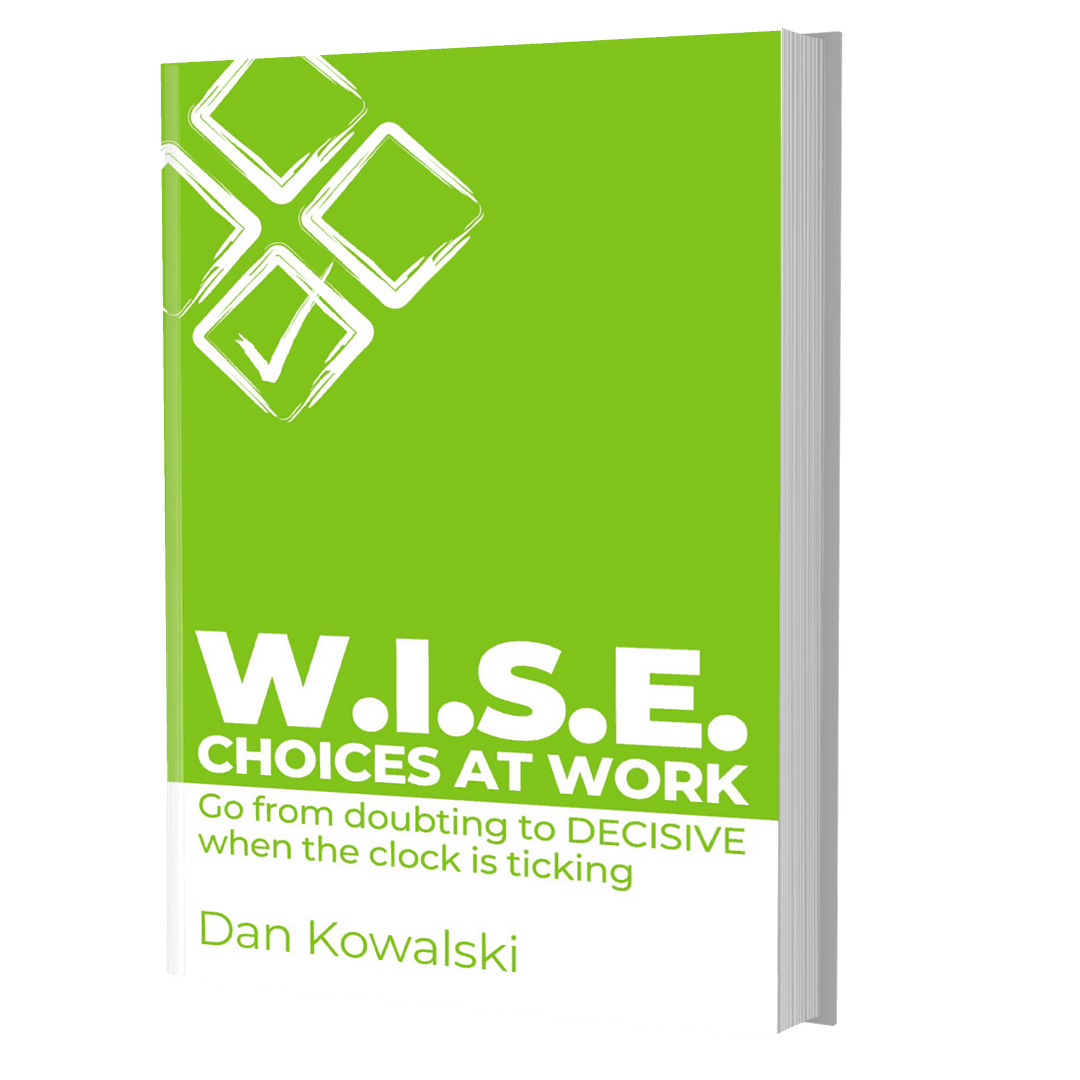
Solution Step 1: Joining a Writing Cohort
The first step was joining one of the writing cohorts.
Working alongside another author in a small cohort environment created both structure and accountability. That relationship continued beyond the program and became an invaluable part of the process.
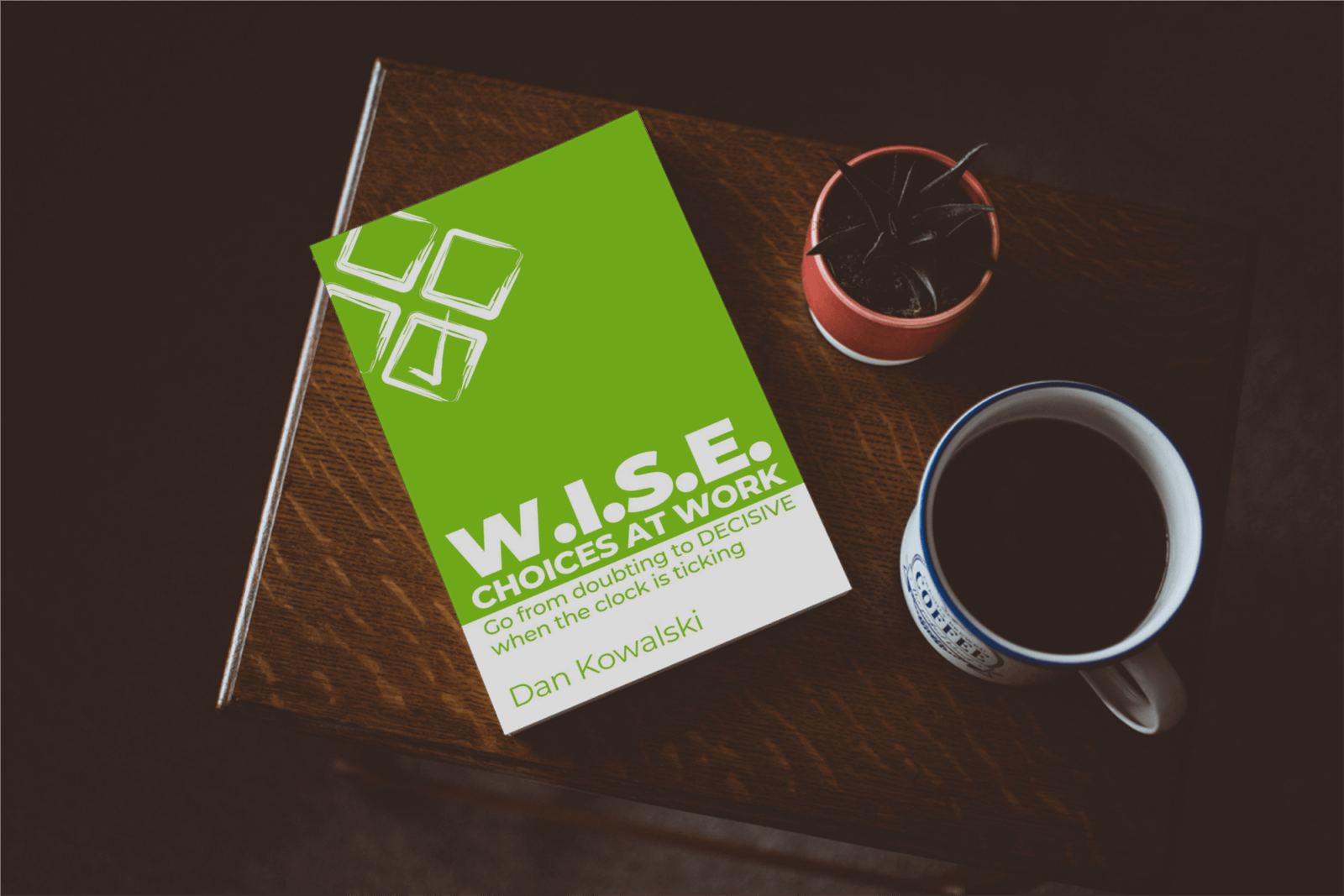
Solution Step 2: Identifying the One Reader
A major shift came from identifying the “one reader” the book was actually written for.
Instead of trying to include every idea or insight, the focus became creating a short, valuable book built around what the reader genuinely wanted and needed to know.
The Directions, Map, Landmark framework helped bring clarity and structure to the content while preventing the book from becoming overloaded with information.
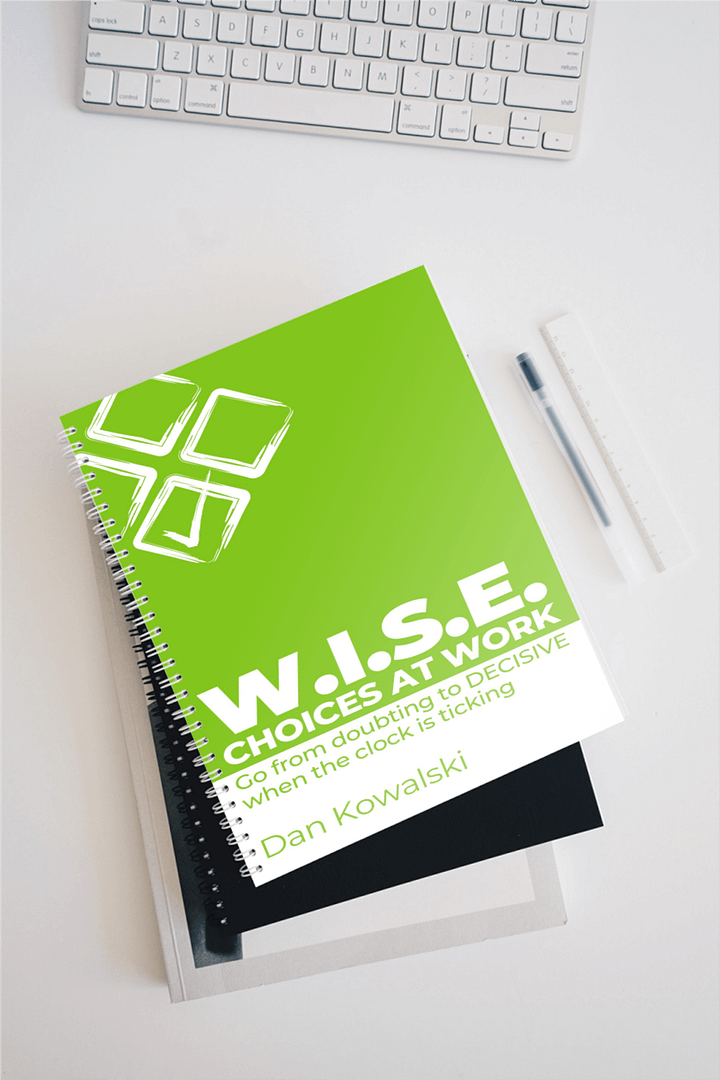
Solution Step 3: Refining the Core Message
Before learning the process, there were almost 100 pages of A4 written as a “book.”
But once the framework became clear, it was obvious that most of the material wasn’t serving the reader. In the end, only around 5% of the original content made it into the final manuscript.
The result was a much clearer, more focused book designed around usefulness rather than volume.
“If you are in the thought-leadership business, it is very easy to know what you could write a book about. But it is more important to know who you are writing it for and what they want to know, rather than what you could tell them. The short, valuable book process will help you”
Dan kowalski,- AUTHOR OF w.i.s.e Choices at work - PLANATHINKING.COM
Here's what Dan has to say:
“Most people in the thought-leadership space believe they should write a book, but very few know how to create something genuinely useful for a reader. What Debs does well is provide the guidance, structure, and clarity needed to turn expertise into a book people will actually want to read and apply”
What Debbie Says About Dan
"Dan was wonderful to work with. He has the rare combination of a sharp mind and a sense of humour, and he is always energetic, which makes the work a genuine pleasure.
Honestly, one of the best parts of my job is getting to learn from clever people, and Dan repeatedly pushed my own thinking on decision-making. His rethinking of the dangers hidden inside the standard 2x2 management matrix actually changed how I look at them. That is what happens when someone cares more about being useful than about being impressive."